
 Rigby, Id Home Plumbing Issues Caused By Hard Water: What Inspectors Find Most
 Rigby, Id Home Plumbing Issues Caused By Hard Water: What Inspectors Find Most
If you own a home in Rigby, ID, hard water is likely affecting your plumbing in ways you may not notice right away. Many homeowners ask the same question during a home inspection: What plumbing problems does hard water actually cause, and what do inspectors see most often? Understanding these common issues can help homeowners plan smarter maintenance and avoid bigger concerns later.
How Hard Water Affects Home Plumbing Systems
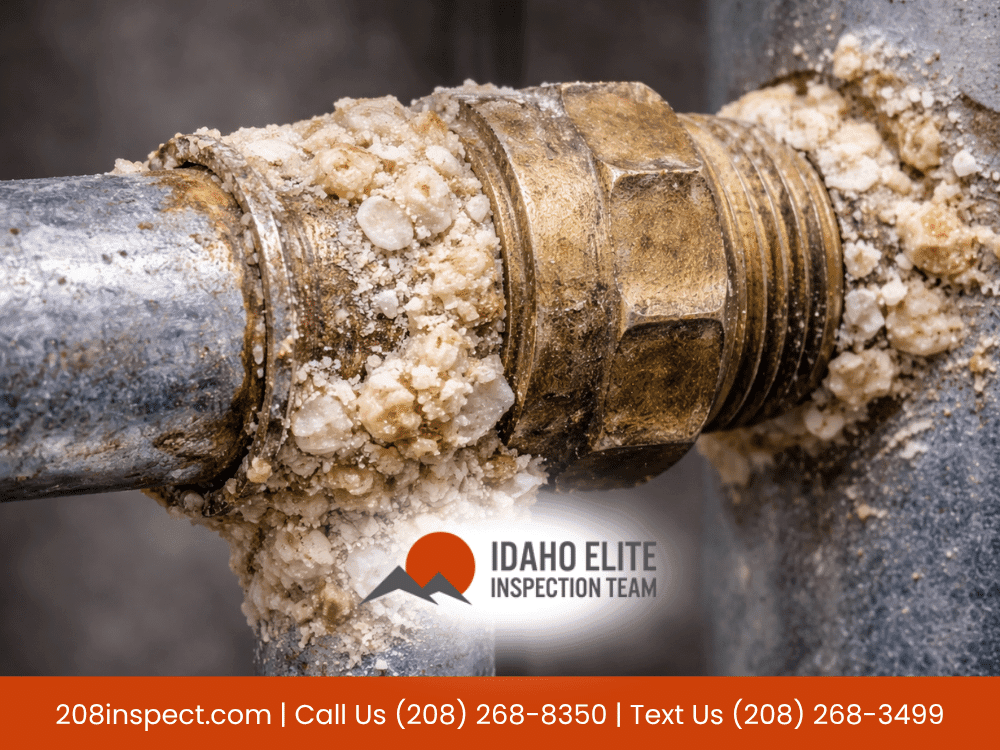
Hard water contains dissolved minerals like calcium and magnesium. As water moves through a home’s plumbing, those minerals settle and slowly build up on interior surfaces. Over time, this buildup narrows pipes and reduces efficiency.
During a home inspection, inspectors don’t measure mineral levels, but they do observe the effects. Reduced water pressure, uneven flow, and visible scale often point to long-term hard water exposure. These issues are common in many Idaho homes that rely on groundwater sources.
Common Plumbing Issues Inspectors Look For
Inspectors focus on visible and functional signs rather than hidden damage. Some of the common issues they frequently document include:
- White or chalky residue on faucets and showerheads
- Scale buildup inside exposed piping
- Corrosion around fittings and shut-off valves
- Reduced flow at fixtures throughout the home
These findings help homeowners understand why certain plumbing components may be wearing faster than expected. Inspectors explain what they see so homeowners can make informed maintenance decisions.
Appliance Wear Linked To Hard Water
 Appliance Wear Linked To Hard Water
Hard water doesn’t just affect pipes—it also impacts appliances that use water daily. Water heaters, dishwashers, and washing machines are especially vulnerable.
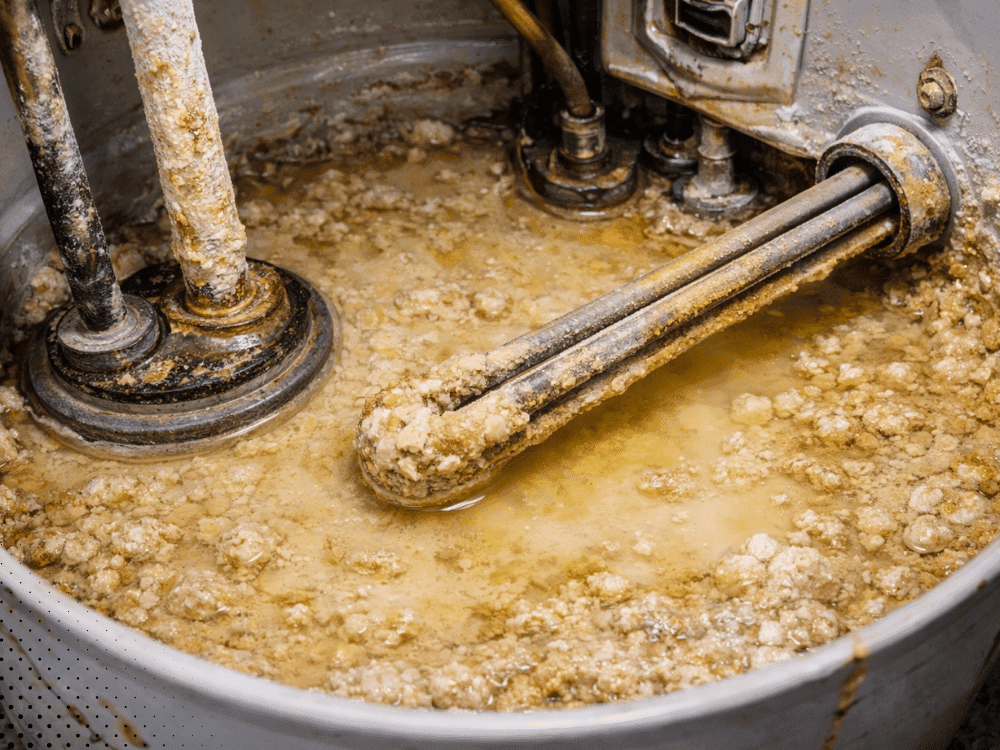
Inspectors often note sediment buildup at water heater drain points or signs of inefficiency. Appliances may still function, but mineral deposits force them to work harder. Over time, this can lead to inconsistent performance or earlier replacement, something inspectors routinely explain to homeowners during evaluations.
Local Factors That Increase Hard Water Impact
Homes in and around Rigby, ID often share similar environmental conditions. Groundwater sources, soil composition, and seasonal water usage patterns can all contribute to mineral-heavy water.
Inspectors may also see differences based on home age. Older homes sometimes show more visible plumbing wear simply due to longer exposure. These observations are shared as guidance—not predictions—so homeowners understand how regional factors may influence plumbing conditions.
Maintenance Steps Inspectors Commonly Recommend
Inspectors don’t diagnose or repair plumbing, but they do offer general guidance. Common recommendations include:
- Regularly cleaning fixtures to reduce scale buildup
- Flushing water heaters as part of routine maintenance
- Monitoring water pressure and flow changes
- Consulting a qualified professional if buildup appears extensive
These steps help homeowners stay proactive without overstating risk. Maintenance awareness is key to preserving plumbing performance over time.
Hard water is a common concern for homeowners in Rigby, ID, and its effects on plumbing often show up gradually. Home inspectors most often find mineral buildup, reduced flow, and early wear on fixtures and appliances. Understanding these patterns helps homeowners prioritize smart maintenance and long-term care.
If you live in Rigby, ID, schedule your home inspection with Idaho Elite Inspection Team today.
Take the next step. Ready to schedule your inspection? Call (208) 268-8350 or book online https://208inspect.com/ today!

